
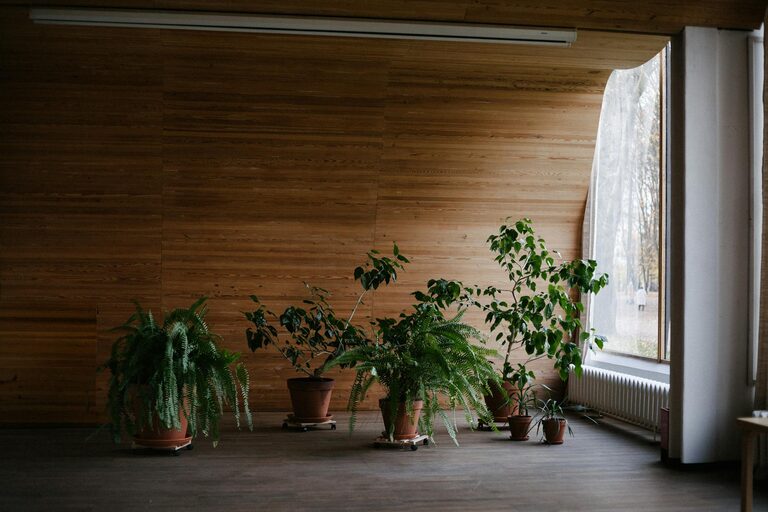
Bringing nature inside your home has become an increasingly popular way to enhance living spaces. Indoor plants are more than just decorative elements; they offer a variety of benefits that can improve your overall environment and well-being. Whether you have a green thumb or are new to caring for plants, incorporating greenery into your home decor is a rewarding and accessible way to transform your space.
Why Choose Indoor Plants for Your Home?
Indoor plants provide both aesthetic and practical advantages. Unlike artificial decor, living plants introduce life and vibrancy, creating a soothing atmosphere that works wonders in any room.
Enhancing Aesthetic Appeal
Plants add texture, color, and dimension to your home. From tall leafy varieties to small succulents, there’s a plant for every style and space. They can complement modern minimalism or cozy traditional settings. Creative placement of plants—from hanging planters to tabletop arrangements—can transform plain corners into eye-catching focal points.
Improving Air Quality Naturally
One lesser-known benefit of indoor plants is their ability to purify the air. Certain species, like snake plants, spider plants, and peace lilies, can filter common indoor pollutants such as formaldehyde and benzene. By absorbing carbon dioxide and releasing oxygen, plants improve overall air quality, making the home feel fresher and promoting better breathing.
Boosting Mood and Reducing Stress
Numerous studies have shown that being around plants can reduce stress, increase happiness, and even boost productivity. The simple act of watering and caring for plants can have meditative benefits, helping to ground you and provide a sense of accomplishment.
Choosing the Right Indoor Plants
Not all indoor plants have the same needs or effects. Here’s a quick guide to choosing the best plants according to your lifestyle and home environment.
Low-Maintenance Options for Beginners
If you’re new to houseplants, consider species that are easy to care for:
– Snake Plant (Sansevieria): Tolerant of low light and infrequent watering.
– Pothos: Adaptable to various light conditions, grows quickly.
– ZZ Plant: Thrives in low light and requires minimal attention.
– Succulents: Need bright light but little water.
Air-Purifying Plants
To maximize air quality benefits, choose these varieties:
– Spider Plant: Known for removing toxins and increasing oxygen.
– Peace Lily: Filters airborne mold spores and chemical toxins.
– Boston Fern: Effective for removing indoor air pollutants.
Plants for Different Rooms
Different rooms offer different conditions. Match plants with the environment:
– Living Room: Large leafy plants like rubber plants or fiddle leaf figs.
– Bathroom: Humidity-loving plants such as ferns and orchids.
– Kitchen: Herbs like basil, mint, or rosemary that you can also use in cooking.
– Bedroom: Calming plants like lavender or jasmine for better sleep.
Tips for Incorporating Indoor Plants into Your Decor
Integrating plants into your home doesn’t have to be complicated. Here are some friendly tips to get started:
Use Stylish Planters and Containers
Choosing the right pots or containers can enhance the look of your plants and coordinate with your room’s design. Materials such as terracotta, ceramic, glass, or woven baskets can add texture and warmth.
Create Plant Groupings
Grouping plants of different heights and textures together creates visual interest. Arrange several small plants on a windowsill or combine tall and trailing plants on a shelf.
Incorporate Plants into Functional Spaces
Place plants near reading nooks, workstations, or dining tables. They add comfort and vitality where you spend time daily.
Pay Attention to Lighting
Most plants need natural light to thrive, but some can adapt to lower light. Consider rooms with windows or use grow lights for areas with less sunlight.
Rotate and Care Regularly
Rotate your plants occasionally to ensure even growth. Regular watering, pruning, and checking for pests will keep them healthy and vibrant.
The Emotional Connection with Indoor Plants
Caring for indoor plants also builds a connection with nature right in your home. This connection can increase mindfulness and help you feel more relaxed in your living area. Watching plants grow and change over time adds a dynamic and rewarding element to your daily routine.
Conclusion
Incorporating indoor plants into home decor is a simple way to beautify your space while enjoying practical benefits like improved air quality and mood enhancement. With a bit of care and creativity, you can create a green sanctuary that reflects your style and nurtures your well-being. Whether you choose dramatic foliage or tiny succulents, these natural elements can transform your house into a welcoming and lively home.