
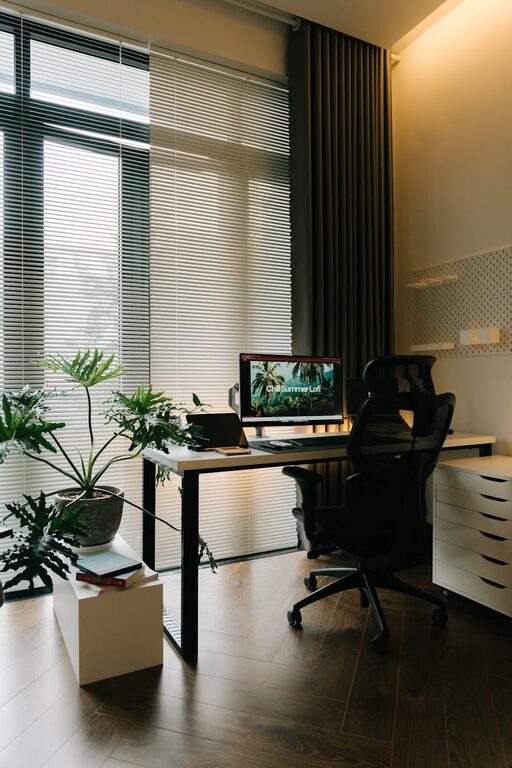
Creating a relaxing home workspace is essential for maintaining focus, reducing stress, and improving overall productivity—especially as more people work remotely. A well-designed environment can positively impact your mood and efficiency, turning your workspace into a place you actually enjoy being. Whether you have a dedicated room or a small corner in your home, these tips will help you craft a calming atmosphere suited to your needs.
Why a Relaxing Workspace Matters
Your environment influences how well you work. A cluttered or noisy space can lead to distraction and frustration, whereas a tidy, peaceful area can enhance concentration and creativity. Taking steps to design a relaxing home workspace will not only help you get tasks done faster but also support your mental well-being.
Choose the Right Location
Find a Quiet, Low-Traffic Spot
If possible, select an area away from household distractions. This might be a spare room, a section of your bedroom, or even a corner of the living room. Avoid high-traffic zones so you can work without interruptions.
Consider Natural Light
Natural light helps reduce eye strain and uplifts your mood. Set up your desk near a window to enjoy daylight. If this isn’t possible, opt for soft, warm artificial lighting that mimics natural light.
Invest in Comfortable and Functional Furniture
Ergonomic Chair and Desk
Comfort is key when spending long hours working. A chair with proper back support and adjustable height will protect your posture and reduce fatigue. Pair it with a desk that suits your height and provides enough surface space.
Keep Essentials Within Reach
Arrange your workspace so frequently used items—pens, notebooks, computer accessories—are easily accessible. This setup minimizes unnecessary movement and keeps your work flow smooth.
Organize and Declutter
Keep Surfaces Clear
A cluttered desk can increase stress and decrease productivity. Use organizers, trays, or drawers to store papers and supplies neatly. Only keep your current project materials visible on your desk.
Digital Organization
Maintain a clean desktop on your computer by organizing files into folders and deleting unnecessary items regularly. Consider using productivity apps or reminders to keep track of tasks.
Add Calming Elements
Soothing Colors
Choose colors that promote relaxation, such as soft blues, greens, or neutrals. If repainting isn’t an option, add colorful accessories like cushions, curtains, or wall art in calming shades.
Incorporate Nature
Plants improve air quality and bring a touch of nature indoors, which can reduce stress and boost creativity. Low-maintenance plants like succulents, snake plants, or pothos work well in most home offices.
Use Aromatherapy
A gentle scent, like lavender or eucalyptus, can create a relaxing atmosphere. Use essential oil diffusers or scented candles safely (not near open flames or electronics).
Minimize Noise and Distractions
Background Sounds
If external noise is an issue, consider using noise-cancelling headphones or playing soft instrumental music or white noise to maintain focus.
Limit Interruptions
Set boundaries with family or housemates by establishing clear work hours and signaling when you shouldn’t be disturbed. Consider using a “do not disturb” sign or headphones as visual cues.
Personalize Your Space
Adding personal touches can make your workspace feel welcoming and inspire creativity. Photos, art, or motivational quotes are great options. However, avoid excessive decorations that could clutter your area or distract you.
Establish Daily Rituals
Start with a Clean Space
Before starting work, spend a few minutes tidying your desk to prepare mentally for the day.
Take Regular Breaks
Step away from your workspace every hour to stretch, hydrate, or briefly move around. This practice reduces eye strain and keeps energy levels balanced.
Keep Technology in Check
Use cable organizers to manage cords and chargers neatly. Ensure your computer and devices are at comfortable viewing heights to avoid neck or wrist strain. Regularly clean screens and keyboards to maintain hygiene.
Final Thoughts
Creating a relaxing home workspace involves a blend of comfort, organization, personalization, and mindful practices. Experiment with different elements to find what makes you feel most at ease and productive. Remember, your workspace should serve as a supportive environment tailored to your unique work style and needs.
By following these tips, you’ll develop a home workspace that not only enhances productivity but also nurtures your well-being throughout the workday.